

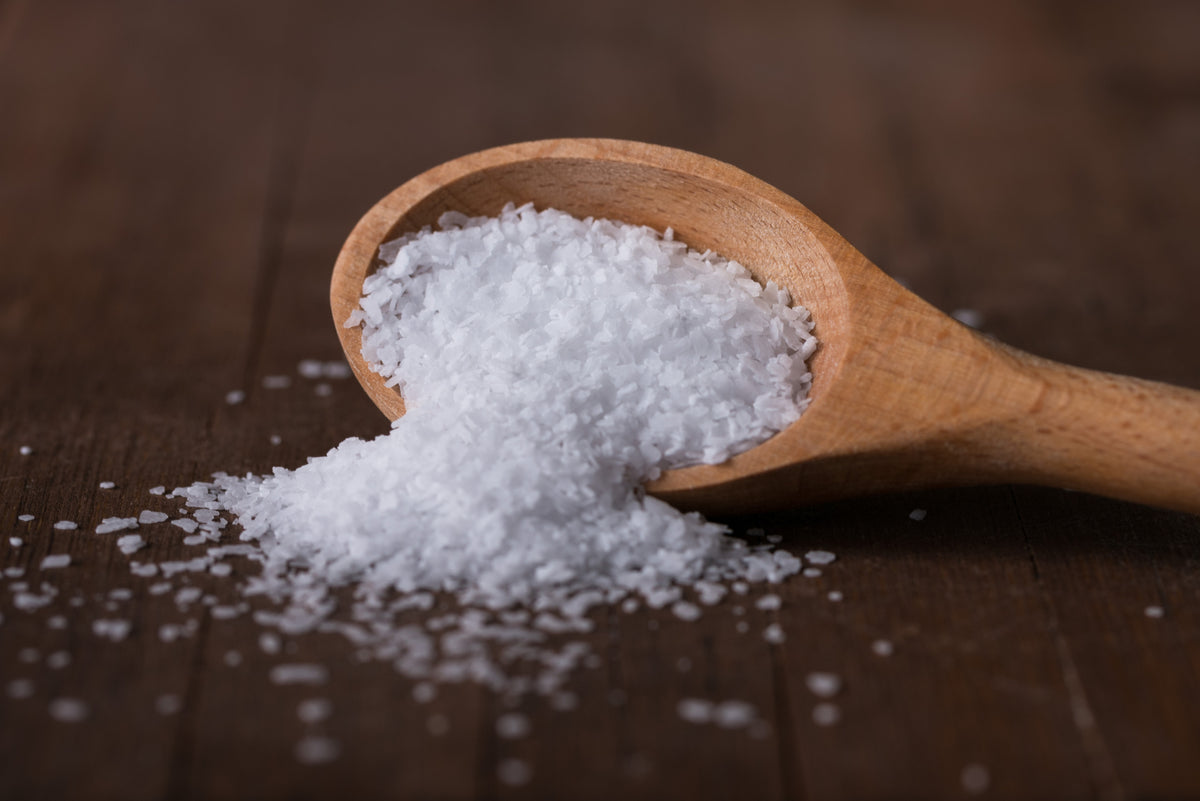
Aquarium salt is sodium chloride, either plain non-iodized salt or a freshwater-specific blend, added in small doses to support fish during stress, disease, or nitrate spikes. It is not required in a healthy tank, and most live plants tolerate it poorly, so planted-tank keepers generally treat fish separately in a quarantine tank instead.
Last updated: 30 August 2026
The use of salt in an aquarium is undoubtedly a controversial topic. Should we use it, how do we use it and when should it be used? On the one hand, aquarium salt has a group of fans and, on the other hand, many opponents who absolutely do not recommend using it in freshwater tanks. As usual, the truth is somewhere in the middle. Below we present the potential risks and benefits of using salt in aquariums that may help you take your position on this matter.
Why use aquarium salt?
Salt producers ensure that keeping the water in a freshwater aquarium lightly salted has a beneficial effect on the health of the fish, prevents parasitic infections and helps in the treatment of diseases. What's more, there are many opinions that it reduces stress in fish by reducing the osmotic pressure in the water and reducing the absorption of nitrates. So let's take a closer look at the above advantages.
Parasitic or fungal infections
Salt is a very effective drug in combating most infections caused by parasites and fungi - in this case, however, short-term therapeutic baths in solutions with a higher concentration are much more effective than adding a small amount of salt directly to the tank. Some aquarists use small amounts of salt in the main aquarium to prevent parasites. Does it make sense? Yes and no. On the one hand, a small addition of salt may increase the secretion of protective mucus in fish, and thus increase their natural resistance to possible infections. On the other hand, many parasites and fungi tolerate such a low salt concentration quite well, so it is not a very strong protective barrier.
Osmoregulation
Osmoregulation is a set of biological processes, the essence of which is the regulation of the concentrations and volumes of organic compounds and electrolytes included in body fluids. It is based on the phenomenon of osmosis- where water tries to penetrate a semi-permeable membrane from a lower concentration to a higher concentration. Freshwater fish naturally have a higher salt concentration than the water they inhabit, which means they continually release their body salts into the water in the tank and take up water. Visually, it can be said that it looks as if the water from the aquarium is trying to dilute the fish. In order to balance the osmosis process and maintain the appropriate concentration of mineral salts, the fish must re-extract them from the water through the gills.
In healthy fish in good condition, these processes are normal all the time and generally do not require any support. However, under the influence of stress, illness or during recovery, fish may not take up enough salt from the water, which in turn can cause osmotic shock.
Proponents of salting the aquarium claim that by gently increasing the salt level in the aquarium when the fish are in poor condition (stressed, under treatment), it can help them recover because their cells do not have to work as hard in the osmoregulation process.
There are no clear guidelines on what salt concentration to use to assist fish in osmoregulation. Advice from practitioners on aquarium forums is very different and ranges from 1 flat teaspoon per 1,200 liters of water to 1 flat teaspoon per 4 liters of water! Such advice should be approached with great caution and first of all read the manufacturer's recommendations - and approach them with caution as well. It is best to use half the dose recommended by the manufacturer on the first day, carefully observe the fish and only after making sure that they tolerate the change in salinity well - after a day or two - add the second part of the recommended dose.
Poisoning with nitrates
Nitrate levels can increase if there are not enough beneficial bacteria in the aquarium to absorb the toxic by-products of fish excretion. This can happen if the tank is immature or filtration is insufficient. Adding salt quickly will help create a natural barrier in which the chloride ions prevent the fish from absorbing the nitrates. In this situation, chloride ions must be 30 times more than nitrate ions in water. It is best to perform a tank nitrate test and adjust the dose accordingly.
And what salts are used in aquariums?
We will focus here on the three most popular types:
- non-iodized salt - Theoretically, it is pure sodium chloride (NaCl). The lack of additional ingredients (and the low price) means that many aquarists reach for this "ordinary" salt and use it successfully in their aquarium.
- sea salt - has a much more complex composition than table salt. In addition to sodium chloride, it usually contains many different minerals, such as calcium, magnesium, potassium and zinc. The composition of sea salts from different deposits may differ significantly from each other. Sea salt is only suitable for aquariums with marine fish and invertebrates, although some recommend its use also in therapeutic baths.
- aquarium salt for freshwater aquariums is a very popular product available in virtually every pet store. Freshwater aquarium salt is most often made from evaporated seawater. It is a product designed specifically for freshwater aquariums, so it does not contain any additives harmful to fish, such as iodine or anti-caking agents. Remember that aquarium salts from different manufacturers may differ in their chemical composition. Therefore, when changing from one product to another, use it carefully and always in accordance with the manufacturer's recommendations. Often in stores you can buy aquarium salt, enriched with "extra" additives such as aloe or oak bark.
Is salt good for freshwater fish?
Properly used aquarium salt can have a very positive effect on fish, and in some cases even save their lives. The same salt, used in excess, can kill half the aquarium stock in a short time. So again: it is worth being very careful about this measure. It is not only the type of salt and the dose that matters, but also the species of fish - because they do not all respond to salt in the same way. In general, we can accept a rule (although there are exceptions to all of them) that the more acidic and soft water a given species requires, the worse it will tolerate the addition of salt. Fish that react poorly to salt include catfish, cuirass, otos, discus and koi carps. Goldfish, guppies and most African cichlids respond very well to the addition of salt in the aquarium.
Is salt good for plants and other aquarium inhabitants?
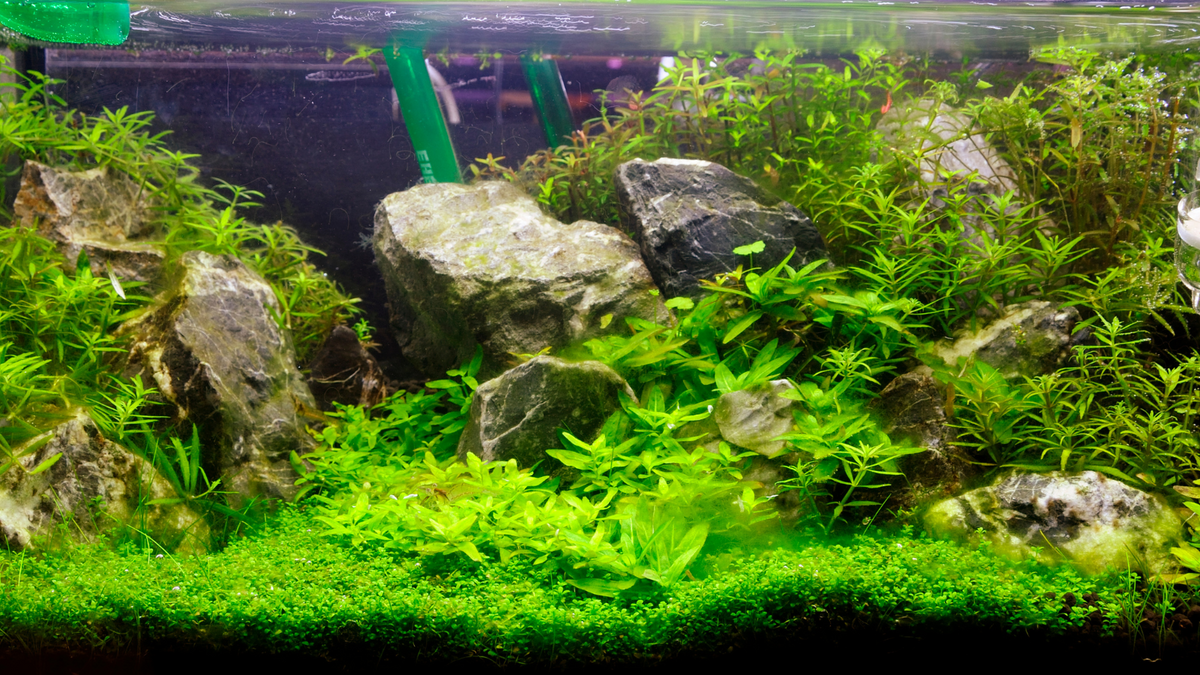
In this case, the answer is definitely negative. Most freshwater plants react very negatively to salt, and even a small addition can cause the plants to die en masse. Therefore, it is better not to use salt if there are live plants in the tank.
Salt is also deadly to algae. If we suffer from their excess, a salt treatment can effectively combat them. However, if we care about the presence of algae in the aquarium, it is better not to add salt.
All invertebrates, especially snails, are also very sensitive to salt. Before adding salt to the water, it should be caught and transferred to another tank.
How to safely use salt in a freshwater aquarium?
First of all, be careful. If you are adding salt for the first time - use half of the dose recommended by the manufacturer, and only after two days (if the fish respond well), add the other half. Also, always be prepared to intervene quickly if the fish start to behave in an unsettling manner. The only way to save yourself in this situation is to catch fish and fully replace the water.
You should never add salt directly to the aquarium, but dissolve it thoroughly in part of the water and slowly add it, waiting for the solution to be evenly distributed over the entire tank.
Remember that salt does not evaporate and is not removed by the filters! Salt added to the tank remains in it once. The only way to remove it is to change the water. Therefore, there is no need to refill the salt in the aquarium in a situation other than a partial water change and here we also add proportionally as much salt as the water removed, i.e. if we change 30% of the water - we add 30% of the salt dose for the entire tank.
You should also watch out for water evaporation - less water in the aquarium means a higher salt concentration. The water should be topped up as soon as possible, of course without adding salt to it.
To sum up: Adding salt is highly controversial due to the high risk associated with its misuse. However, if used with caution and in moderation, it can have a very beneficial effect on the health and condition of the fish, and many breeders highly appreciate adding salt to their freshwater aquariums. Before making a decision, it is worth collecting as much information as possible about the fish you breed and their sensitivity to salt. Also remember to add salt to the tank, starting with small doses. And the most important thing: salt kills plants so if you’re planning to use it, only for treatment purposes during quarantine.
Frequently asked questions
What is aquarium salt made of?
Freshwater aquarium salt is mostly sodium chloride, usually produced from evaporated seawater, without the iodine or anti-caking agents found in table salt. Some brands add extras like aloe or oak bark. Sea salt used for marine tanks contains additional minerals such as calcium, magnesium, and potassium, which freshwater aquarium salt does not need.
Is aquarium salt the same as table salt?
Not quite. Plain non-iodized table salt is close to pure sodium chloride and some aquarists use it successfully, but iodized table salt contains iodine and anti-caking additives that freshwater aquarium salt is specifically formulated to avoid. Aquarium salt is made for fish tanks; table salt is made for the kitchen.
What does aquarium salt do for fish?
In freshwater tanks, salt can support osmoregulation during stress or illness, help fish secrete protective mucus against parasites, and create a chloride barrier that reduces nitrate uptake. It is more a supportive treatment than a routine additive, and effects vary widely by fish species.
Does aquarium salt kill plants?
Yes, in most cases. The majority of freshwater aquarium plants tolerate salt poorly, and even small doses can cause widespread die-off. If you keep live plants, it is safer to avoid salt except during a separate quarantine tank treatment, away from the planted display.
Can I add aquarium salt directly to the tank?
No. Salt should be dissolved fully in a container of tank water first, then added gradually while the solution mixes into the aquarium. Adding dry salt directly can create pockets of high concentration near fish and plants, which raises the risk of shock or tissue damage.
What are the benefits and risks of aquarium salt?
Benefits include support during osmotic stress, mild antiparasitic action, and nitrate buffering when chloride outweighs nitrate roughly 30 to 1. Risks include harming salt-sensitive fish like catfish and discus, killing invertebrates and snails, and damaging most live plants, so dosing needs species-specific caution.
Sources
- Fish osmoregulation and salinity tolerance (university fisheries or extension resource)
- Aquatic plant salt tolerance research or plant society guidance
- Veterinary or aquaculture guidance on salt as a parasite treatment
- Manufacturer dosing instructions for freshwater aquarium salt products
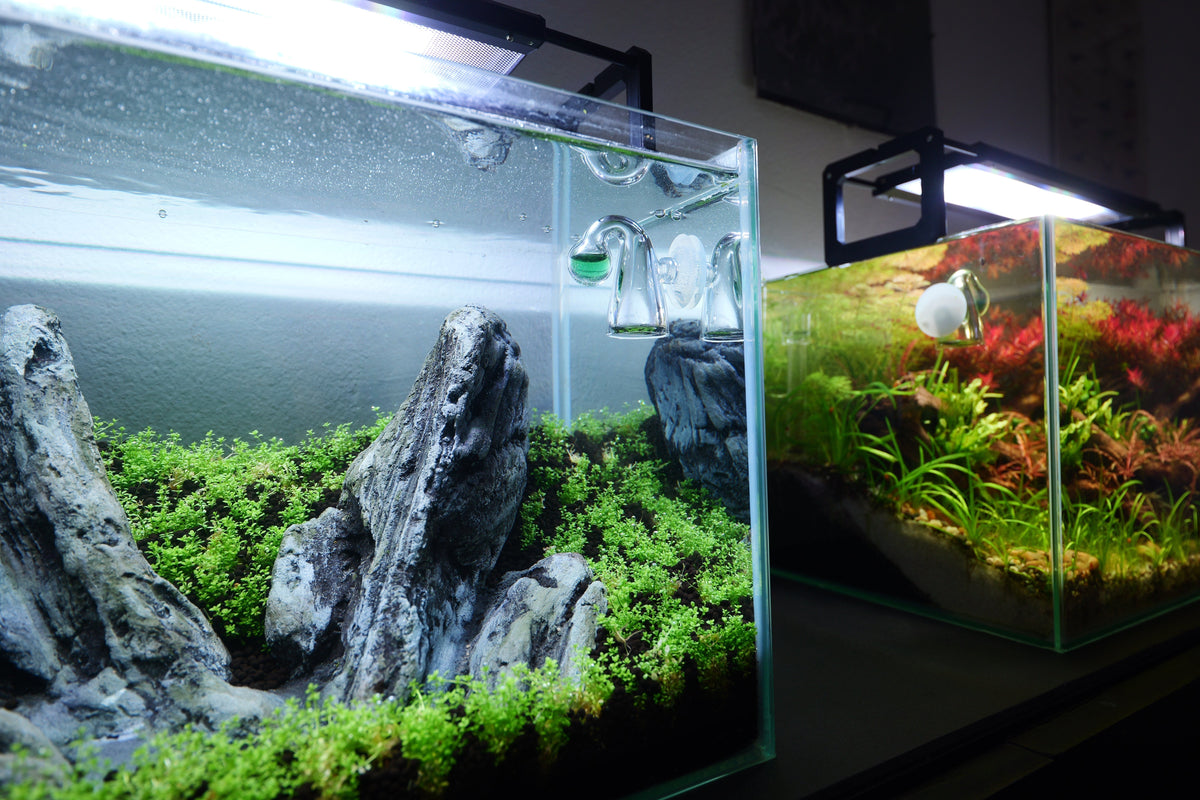
Because most live plants react poorly to salt, planted tank keepers generally get better results treating fish separately in a quarantine tank rather than dosing the display. For the main planted aquarium, healthy growth comes from stable CO2 injection and light rather than salt, since CO2 supports photosynthesis without the osmotic stress salt puts on plant tissue. Monitoring CO2 levels with a drop checker helps keep dosing consistent so plants stay strong without needing salt as a workaround. See the product.
Partager:
Enjoy an aquascape in your office space
In vitro aquarium plants - what are they?